
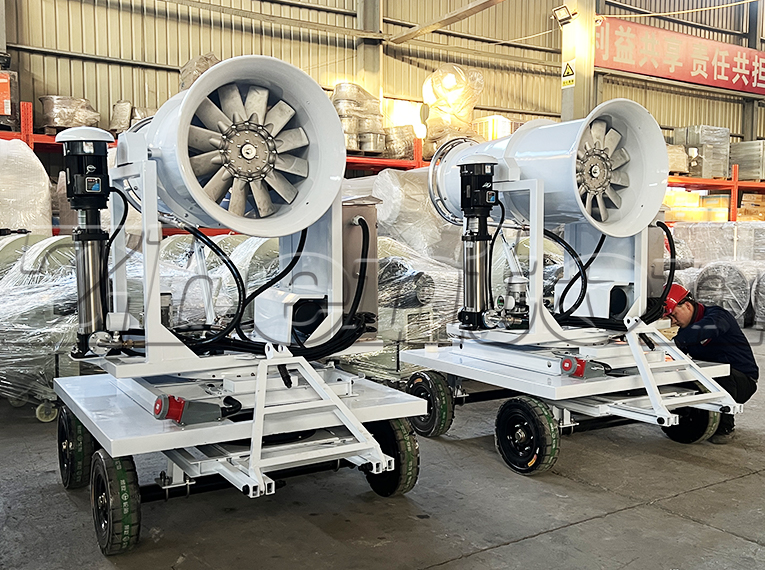
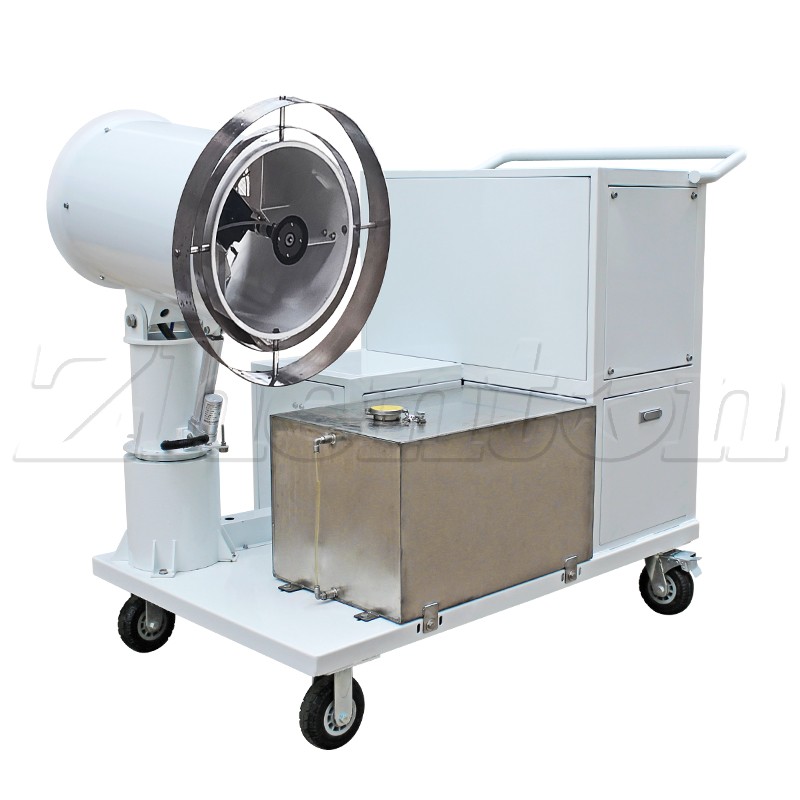
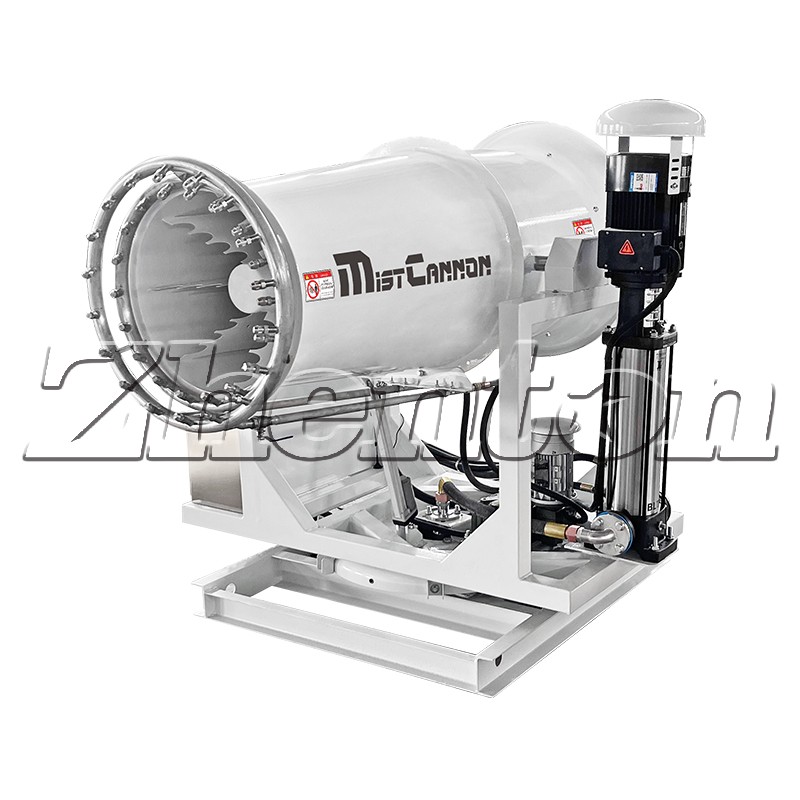
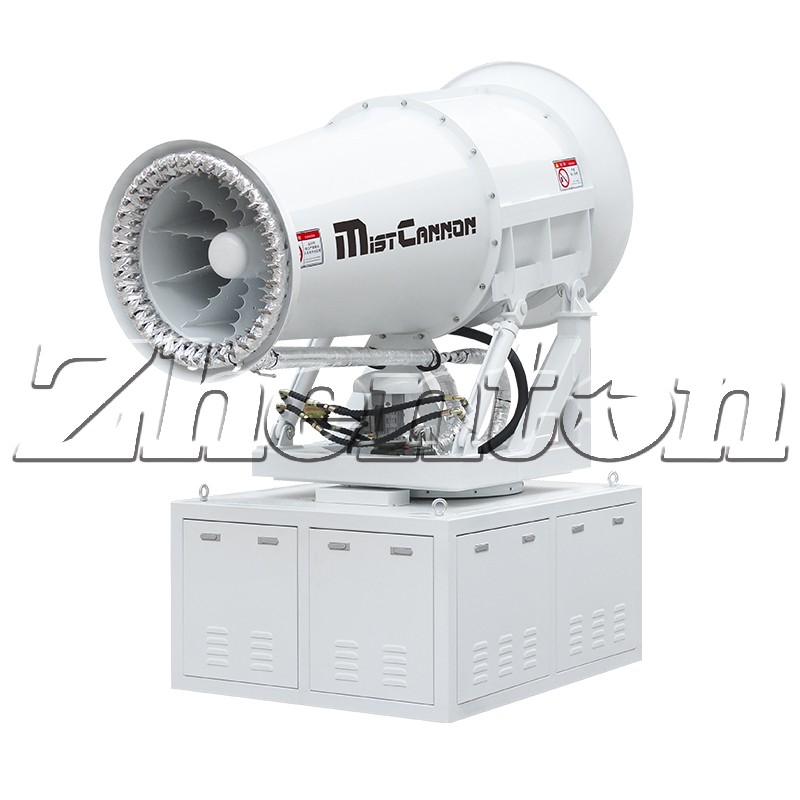
As Singapore moves towards its “Smart Nation 2030” goal, the construction industry is undergoing a digital revolution. Traditional, manually-operated equipment is being replaced by intelligent, networked infrastructure. Zhenton is at the leading edge of this shift, offering an advanced Dust Suppression System that integrates seamlessly into the “Integrated Digital Delivery” (IDD) framework. By combining real-time environmental sensing with automated cloud-based controls, Zhenton helps Singaporean contractors build smarter, safer, and more efficiently.
“The advance of technology is based on making it fit in so that you don’t even notice it.” — Bill Gates (Reflecting the seamless integration of Zhenton’s IoT tech into modern site management).
In a smart site environment, data is the most valuable asset. Zhenton’s Dust Suppression System is equipped with high-precision sensors that monitor PM2.5 and PM10 concentrations in real-time.
Instead of running the system continuously, our IoT logic allows for “Targeted Response.” When the local air quality index exceeds a pre-set NEA threshold, the system activates automatically. This not only ensures immediate compliance but also optimizes water and power consumption—an essential requirement for projects aiming for the BCA Green Mark Platinum rating.
Through the Zhenton Smart Dashboard, site managers can monitor and control multiple units across different projects from a single central office in Tampines or Jurong. Whether it’s adjusting the oscillation angle or checking water filter status, everything is accessible via smartphone or tablet. This remote capability significantly reduces the need for on-site manpower, addressing one of the Singapore construction industry’s most persistent challenges: labor scarcity.
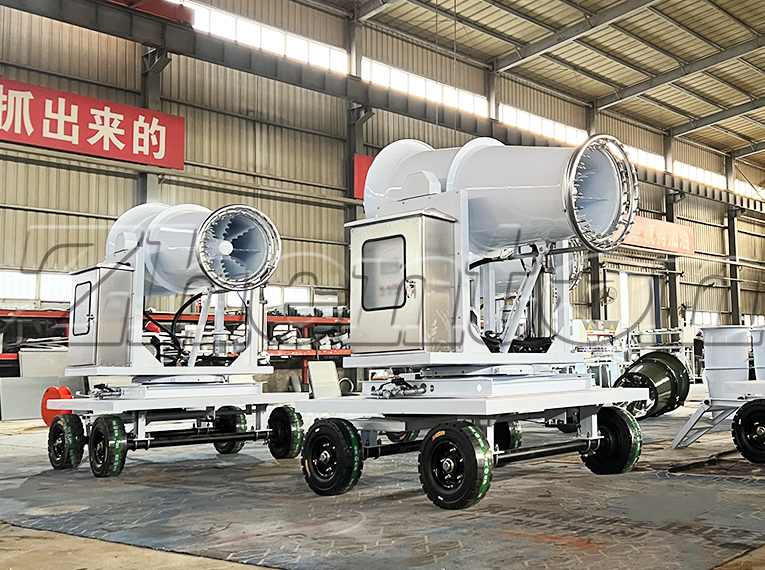
A key infrastructure project within the Punggol Digital District (PDD) required an environmental management solution that could integrate with the district’s centralized “Open Digital Platform.”
Zhenton supplied 5 units of our IoT-integrated Dust Suppression Systems. By linking our API with the site’s environmental sensors, the systems achieved a xx% reduction in water waste by only operating during high-dust events. The project team reported that the automated data logging feature saved them xx hours per week in manual report preparation for NEA audits, making it a benchmark for future smart developments in Singapore.
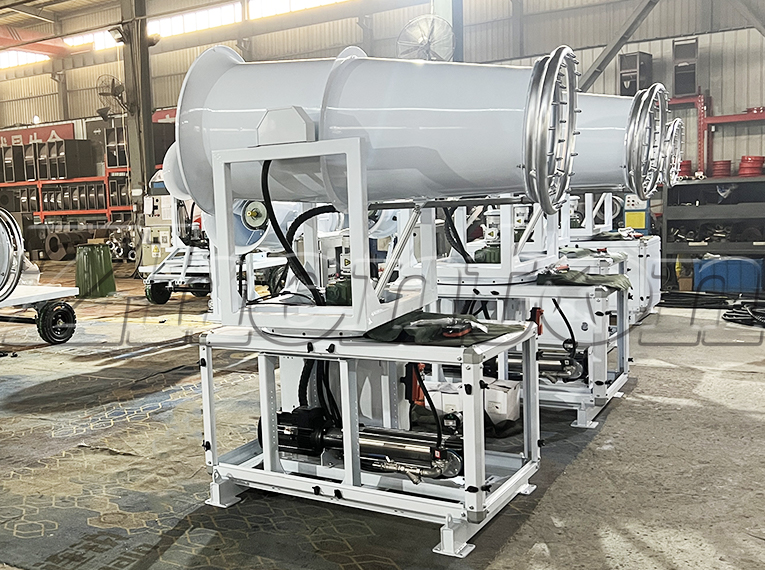
A: Yes. Our systems are built with an open API architecture. This allows your IT team to easily feed data from the Dust Suppression System directly into your centralized dashboard, providing a “single source of truth” for all environmental metrics.
A: The Zhenton system is integrated with local weather data. In the event of heavy rain or high wind speeds, the “Smart Mode” will automatically deactivate the Dust Suppression System to save energy, as natural precipitation takes over the dust control task.
A: We prioritize data security. All information sent from the Dust Suppression System to the cloud is encrypted using xx-bit SSL protocols, ensuring that your site’s operational data remains confidential and protected against unauthorized access.
Contact With Us
If you have any questions please fell free to contact with us.